
Key Takeaways
- Both Microsoft Teams Phone and RingCentral offer robust communication tools for businesses.
- Key features to consider include voicemail, video conferencing, and integration capabilities.
- User experience varies between the two platforms, with Teams focusing on collaboration within Microsoft
365. - Pricing structures for Microsoft Teams Phone and RingCentral differ, impacting long-term costs.
- Choosing the right solution depends on your organization's specific needs and existing software ecosystem.
Introduction to Microsoft Teams Phone and RingCentral
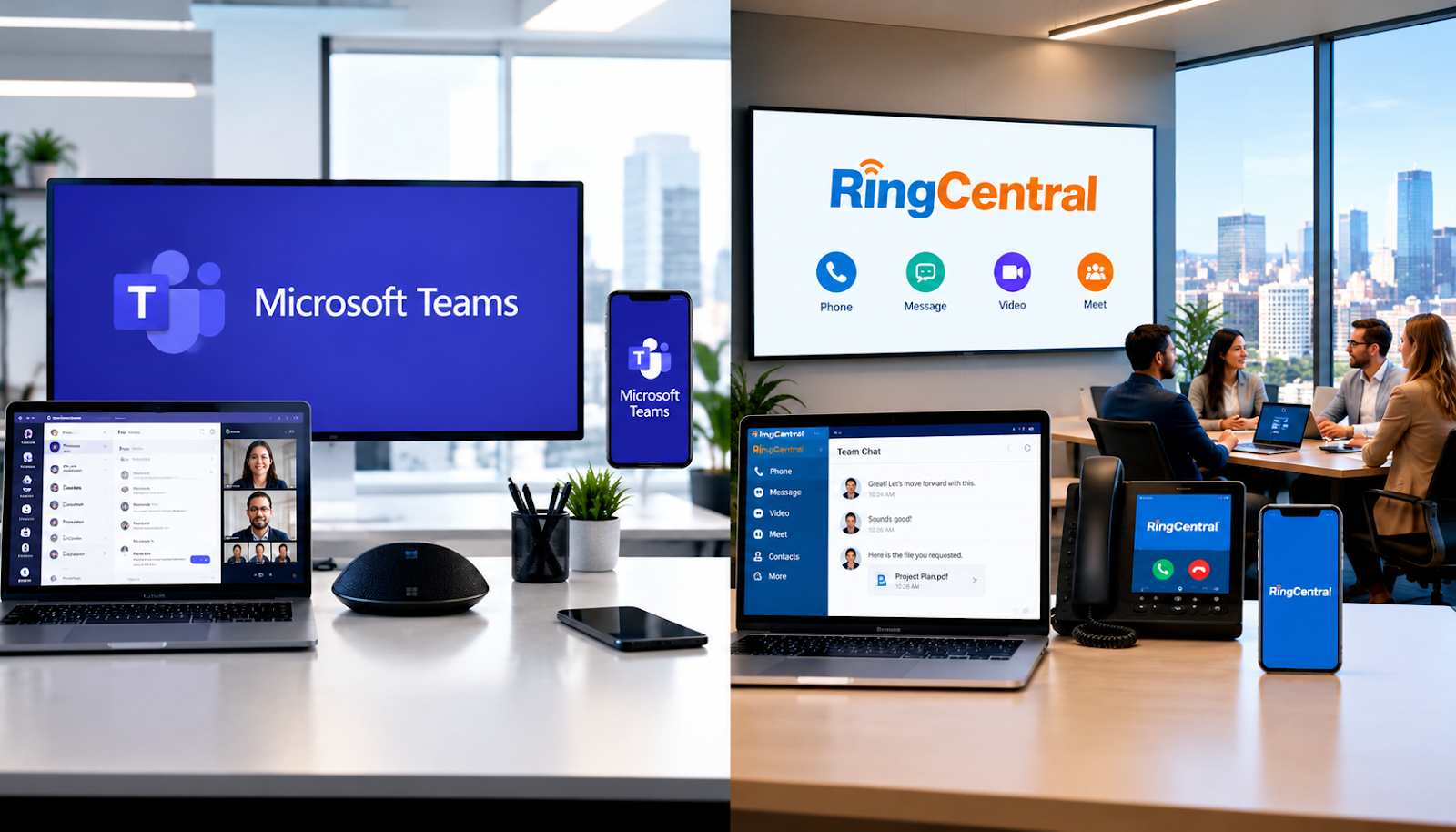
As businesses continue to adapt to remote and hybrid work environments, the need for reliable communication tools has never been more critical. Two of the most popular solutions in the market today are Microsoft Teams Phone and RingCentral. In the debate of Microsoft Teams Phone vs RingCentral, organizations must consider the unique features and capabilities of each platform. Microsoft Teams Phone integrates seamlessly with the Microsoft 365 ecosystem, making it an ideal choice for companies already using Microsoft's tools for collaboration and productivity. On the other hand, RingCentral is known for its robust flexibility and standalone VoIP capabilities, making it suitable for businesses looking for a comprehensive cloud communications platform. This article will explore the key features, benefits, and scenarios in which each service excels, helping you determine which communication solution may best fit your organizational needs.
Key Features Comparison
When it comes to modern business communication solutions, the debate between Microsoft Teams Phone vs RingCentral often comes to the forefront. Both platforms offer robust features tailored to enhance collaboration, yet they cater to slightly different user needs. Microsoft Teams Phone seamlessly integrates with Microsoft 365, allowing for effective collaboration via chat, video, and document sharing, all within a familiar interface. Its features include call forwarding, voicemail transcription, and extensive security protocols that benefit enterprises. On the other hand, RingCentral is renowned for its all-inclusive voice and video solutions, along with a versatile mobile app that supports on-the-go communication. Key features such as auto-receptionist, advanced call handling, and extensive API capabilities make it ideal for businesses seeking a more independent communication framework. Ultimately, the choice between Microsoft Teams Phone vs RingCentral will depend on your organization's specific needs, whether you prioritize seamless integration with existing Microsoft tools or an all-encompassing communication suite.
'It's not the tools you have faith in – tools are just tools. They work, or they don’t work. It's the people you have faith in, or not.' - Steve JobsFree Business Communications Audit
Usability and User Experience
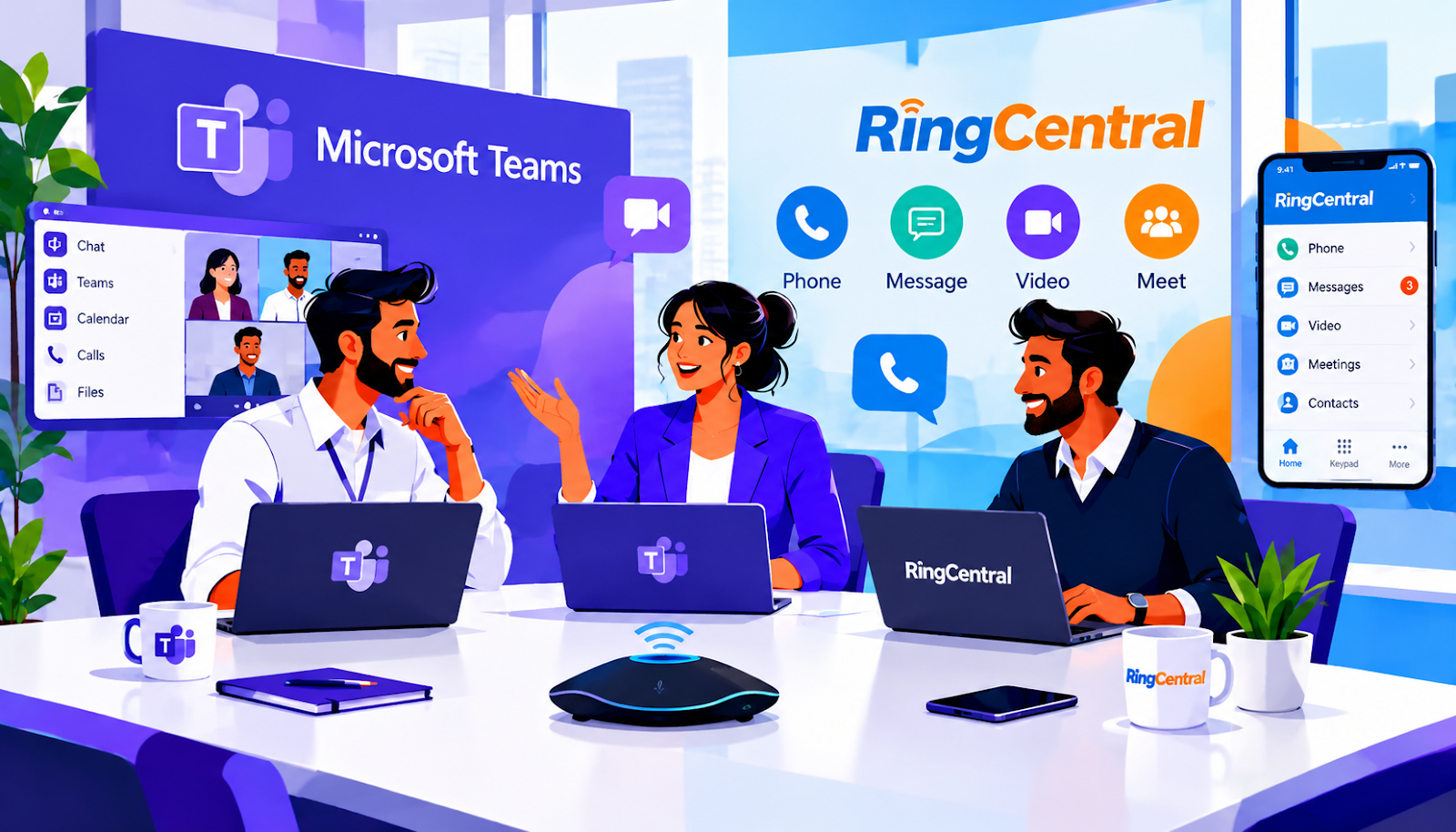
When evaluating communication solutions for businesses, the usability and user experience of platforms like Microsoft Teams Phone vs RingCentral is crucial to consider. Microsoft Teams Phone integrates seamlessly with the Microsoft 365 ecosystem, making it familiar to users already accustomed to Microsoft’s applications, thus promoting user engagement and productivity. The intuitive interface allows teams to collaborate easily, leveraging chat, video, and calling features within a unified workspace. In contrast, RingCentral offers a robust VoIP service focused primarily on calls, with strengths in providing extensive integration capabilities with third-party applications. However, its user interface may require some acclimatization for new users. Both platforms offer mobile applications, ensuring users can communicate on-the-go, but Teams Phone excels in promoting collaborative features, while RingCentral shines with its flexibility and advanced calling functionalities. Ultimately, the choice between these two will depend on specific business needs, the existing technology stack, and user preferences.
Pricing and Plans Overview
When evaluating communication solutions for businesses, understanding the pricing and plans is critical in making an informed decision. In the realm of unified communication, Microsoft Teams Phone vs RingCentral presents two robust options, each with unique offerings tailored to different business needs. Microsoft Teams Phone integrates seamlessly with the Microsoft 365 ecosystem, providing a familiar interface for teams already utilizing Microsoft's tools. Its pricing structure is based on the number of users and the level of feature access, offering flexibility for small to large organizations. On the other hand, RingCentral offers several distinct plans, catering to diverse business requirements with a strong focus on VoIP and team messaging. Their tiered pricing feature allows businesses to select the level of service that best fits their communication demands without overcommitting financially. By comparing the cost-effectiveness, scalability, and features of Microsoft Teams Phone vs RingCentral, organizations can better assess which solution aligns with their operational goals.
Final Thoughts on Choosing Between Microsoft Teams Phone and RingCentral
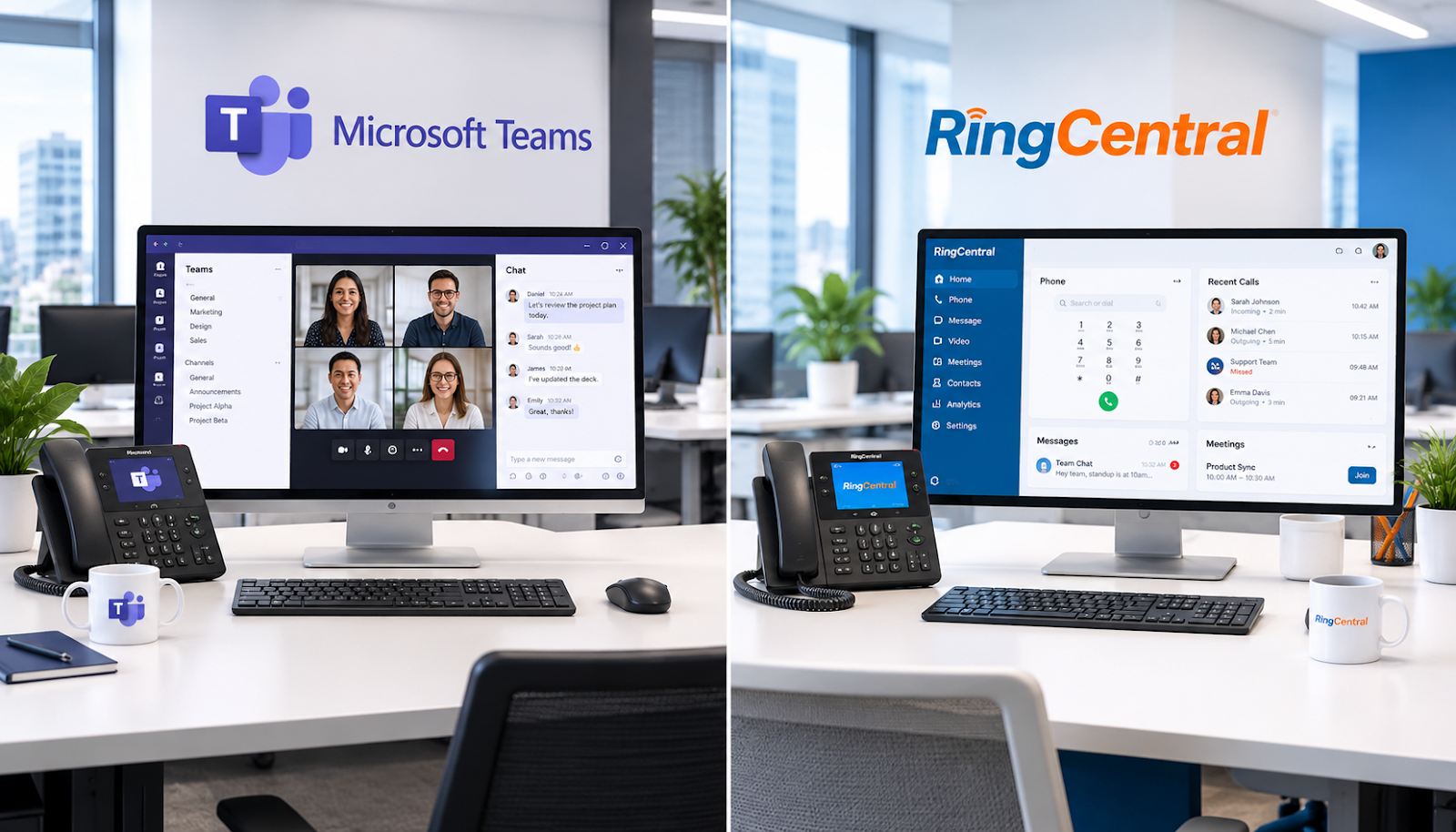
When contemplating the best communication solution for your organization, understanding the nuances of Microsoft Teams Phone vs RingCentral is critical. Both platforms offer unique features tailored to enhance collaboration and productivity, yet they cater to different business needs. Microsoft Teams Phone integrates seamlessly with other Microsoft 365 applications, making it an excellent choice for organizations already entrenched in the Microsoft ecosystem. On the other hand, RingCentral provides robust phone system features that cater to businesses looking for a more standalone VoIP solution with versatile integrations. It’s essential to evaluate your specific requirements—do you need comprehensive collaboration tools or a focused calling platform? By carefully weighing the strengths and weaknesses of each option, you can make an informed decision that aligns with your team's communication strategy.
PlanetComms Pty Ltd
is an Australian-based provider of unified communications, business connectivity, cloud solutions, cybersecurity, and managed IT services. We help organizations improve communication, collaboration, and operational efficiency through reliable technology solutions tailored to their business needs.
Our services include:
Business Phone Systems & VoIP Solutions
Unified Communications & Collaboration
Managed IT Services
Cybersecurity & Network Security
Cloud Solutions & Hosting
Business Internet & Connectivity
IT Support & Consulting
Whether you're a small business or a growing enterprise, PlanetComms delivers scalable, secure, and cost-effective technology solutions designed to keep your business connected and productive.
📞 Contact us: (02) 9894 9895
🌐 Website: https://www.planetcomms.com.au
Need expert advice on your communications or IT infrastructure? Contact the PlanetComms team today to discuss your requirements.