

When Should You Replace Your Old Business Phone System?

Natalie Milton-White • October 1, 2026

Share this article

In today's fast-paced business environment, communication is key to success. As your business grows and evolves, so do your communication needs. If you're still relying on an outdated business phone system, you might be missing out on vital opportunities for efficiency and customer engagement. In this article, we will explore the crucial question: When should you replace your old business phone system? From understanding the typical lifespan of these systems to recognizing the signs that indicate it's time for an upgrade, we will guide you through the decision-making process. By assessing your business's unique needs and exploring modern alternatives, you can make an informed choice that will enhance communication and streamline operations.

  • Business phone systems typically have a lifespan of 5 to 10 years.
  • Signs such as frequent outages and lack of support indicate it's time for an upgrade.
  • Regularly assessing your business needs can guide your decision on phone system replacement.
  • Modern alternatives like VoIP offer flexibility and advanced features over traditional systems.
  • Upgrading your phone system can enhance productivity and improve customer communication.

Understanding the Lifespan of Business Phone Systems

As businesses continuously evolve, one critical aspect that often gets overlooked is the optimal timing for upgrading their communication tools. Understanding the lifespan of business phone systems can significantly enhance efficiency and customer interaction. Generally, when should you replace your old business phone system? Industry experts recommend considering an upgrade if your current system demonstrates signs of outdated technology, such as decreased call quality or frequent outages. Additionally, if your phone system lacks modern features—like integration with mobile devices or cloud-based services—it's a clear indication that it's time for a change. By assessing the functionality and reliability of your phone system, you can make an informed decision that ensures your business communication remains effective and competitive.

Signs That Indicate It's Time for an Upgrade

In today’s fast-paced business environment, having an efficient and reliable phone system is critical for maintaining clear communication and ensuring customer satisfaction. However, many companies often overlook the signs that indicate it’s time to upgrade their systems. So, when should you replace your old business phone system? Keep an eye out for these key indicators: frequent maintenance issues, outdated technology that is incompatible with new software, a decline in call quality, or an inability to scale as your business grows. Additionally, if your team spends excessive time on hold or dealing with dropped calls, these are strong signals that an upgrade is necessary. By being proactive and addressing these issues, you can enhance your operational efficiency and improve overall customer experience.

'The price of doing the same old thing is far higher than the price of change.' – Bill Gates

Assessing the Needs of Your Business

Assessing the needs of your business is crucial when determining when you should replace your old business phone system. Businesses evolve, and with that evolution comes the need for communication tools that enhance productivity and efficiency. If your old phone system struggles with basic functionality, becomes increasingly costly to maintain, or lacks essential features such as voicemail-to-email or call forwarding, it may be time to consider an upgrade. Additionally, if your team has grown or your communication methods have changed, this can impact your needs significantly. A modern phone system can support remote work capabilities and integrate with existing cloud services, making it essential to reassess your system regularly. By evaluating these factors, you can make an informed decision on when to replace your old business phone system, ensuring that your communications are not only efficient but also aligned with your business goals.

Exploring Modern Alternatives to Traditional Systems

In today’s fast-paced business environment, the question of 'When Should You Replace Your Old Business Phone System?' becomes increasingly relevant, especially as technology continues to evolve. Many businesses still operate on traditional phone systems that may no longer meet their needs due to limitations in functionality and scalability. As more companies shift to VoIP (Voice over Internet Protocol) and unified communication solutions, it’s essential to evaluate the performance of your current system regularly. Signs that it’s time to consider a replacement include frequent outages, difficulty integrating with modern tools, and the inability to support remote work capabilities. Upgrading to a more advanced phone system not only enhances communication but can also significantly improve employee productivity and customer satisfaction, positioning your business to compete effectively in the digital age.



The Benefits of Upgrading Your Phone System

In today’s fast-paced business environment, the question of when you should replace your old business phone system is crucial for maintaining efficiency and enhancing communication. An outdated phone system can hinder productivity and limit your team’s potential to connect effectively with clients and colleagues. Upgrading your phone system can provide a myriad of benefits, including improved call quality, advanced features like voicemails to email, and seamless integration with customer relationship management (CRM) tools. Additionally, modern systems often offer cloud-based options that ensure reliability, scalability, and cost-effectiveness over time. The right time to make the switch typically coincides with noticeable declines in performance, such as frequent disruptions in service or an inability to adapt to your growing business needs. Therefore, staying attuned to your operational requirements can not only answer the question of when to upgrade but also position your business for sustained success.

PlanetComms Pty Ltd is an Australian-based provider of unified communications, business connectivity, cloud solutions, cybersecurity, and managed IT services. We help organizations improve communication, collaboration, and operational efficiency through reliable technology solutions tailored to their business needs.
Our services include:
Business Phone Systems & VoIP Solutions
Unified Communications & Collaboration
Managed IT Services
Cybersecurity & Network Security
Cloud Solutions & Hosting
Business Internet & Connectivity
IT Support & Consulting
Whether you're a small business or a growing enterprise, PlanetComms delivers scalable, secure, and cost-effective technology solutions designed to keep your business connected and productive.
📞 Contact us: (02) 9894 9895
🌐 Website: https://www.planetcomms.com.au
Need expert advice on your communications or IT infrastructure? Contact the PlanetComms team today to discuss your requirements.

Recent Posts

By Natalie Milton-White • October 7, 2026
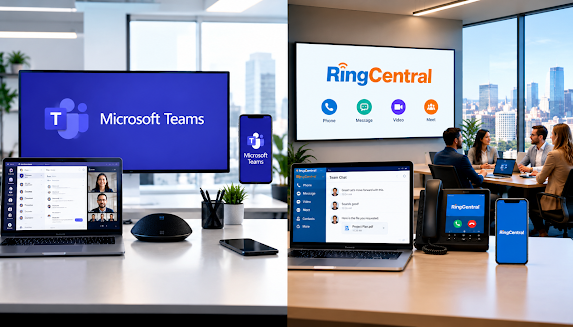
In the world of communication tools, businesses have an abundance of options to choose from. Two of the most popular solutions for professional communication are Microsoft Teams Phone and RingCentral. As companies continue to prioritize collaboration and efficient communication, understanding the strengths and weaknesses of these platforms can empower decision-makers to select the best fit for their organization. In this article, we will dive into a detailed comparison of Microsoft Teams Phone and RingCentral, examining key features, usability, pricing, and ultimately helping you decide which solution suits your needs.
By Natalie Milton-White • October 6, 2026
In today’s fast-paced healthcare environment, communication is vital to the success of any medical practice. A reliable and efficient phone system is not merely a convenience; it is essential for ensuring patient satisfaction, operational efficiency, and regulatory compliance. This article presents a comprehensive Business Phone System Checklist for Medical Practices, guiding healthcare professionals through the essential features, considerations, and steps for selecting and maintaining the right communication system. Whether you are transitioning to a new system or upgrading an existing one, this checklist will help you make informed decisions that align with the unique needs of your medical practice.
By Natalie Milton-White • October 5, 2026
In today’s competitive business environment, companies must prioritize cost efficiency to maximize profitability. One often overlooked area where savings can be significant is the phone system. In this article, we will explore how much a business can save by auditing its phone system, outlining the key aspects of phone system audits, identifying potential cost-saving opportunities, calculating possible savings, and presenting case studies of successful audits. Additionally, we will discuss how to implement changes for long-term savings, ensuring that your business not only benefits now but also well into the future.
By Natalie Milton-White • September 29, 2026
In today’s fast-paced business environment, effective communication is essential for success. Selecting the right business phone system can significantly impact productivity and customer relations. Yeastar and 3CX are two leading providers in the business phone system market, each offering unique features and advantages. This article will delve into Yeastar vs 3CX: Which Business Phone System Is Right for You? We’ll compare their key features, examine pricing and costs, assess performance and user experience, and ultimately provide recommendations tailored to various business needs. Whether you're a small startup or a large corporation, understanding the differences between these two systems will help you make an informed decision.
By Natalie Milton-White • September 28, 2026
In today's fast-paced business landscape, effective communication tools are paramount for success, particularly for companies in Sydney seeking to enhance their operational efficiency and customer engagement. Two prominent players vying for the attention of these businesses are RingCentral and 3CX. Each platform offers unique features tailored to meet diverse communication needs. In this article, we will delve into a comprehensive comparison of RingCentral vs 3CX: which is better for a Sydney business? We will explore their key features, pricing models, user experiences, and customer support to help you make an informed decision that best aligns with your business goals.
By Natalie Milton-White • September 24, 2026
In an era where effective communication is paramount for businesses, choosing the right phone system is crucial for success. If you're wondering, 'How much does a business phone system cost in Australia in 2026?' you're not alone. This article delves into the complexities of business phone systems in Australia, highlighting key factors that influence costs and exploring various options available in the market today. Additionally, we'll provide insights into average pricing, helping you make informed decisions that align with your budget and communication needs.
By Natalie Milton-White • September 23, 2026
In today's rapidly evolving business landscape, staying ahead of the competition requires not only innovation but also the right tools and strategies. One of the most essential components of this strategy is effective communication. Enter cloud communications—an innovative approach that is revolutionizing how businesses connect internally and externally. This article delves into the process of future-proofing your business with cloud communications. We will explore what cloud communications entail, the numerous benefits they offer, the key features to look for in an effective system, best practices for implementation, and emerging trends that will shape the future of this technology. Whether you're a small startup or a large enterprise, understanding cloud communications can help you leverage this powerful tool to enhance collaboration, reduce costs, and ultimately drive success in an ever-changing environment.
By Natalie Milton-White • September 22, 2026
In today's fast-paced business landscape, effective communication is not just a luxury but a necessity. Companies are constantly on the lookout for ways to enhance their connectivity and streamline operations, a need that has given rise to a powerful concept: Unified Communications (UC). Beyond phone systems, Unified Communications offers a comprehensive approach to enhancing collaboration and efficiency within organizations. This article explores the strategic value of Unified Communications , its various components, advantages for businesses, the technologies driving this transformation, best practices for implementation, and the future trends that promise to redefine workplace communication.
By Natalie Milton-White • September 21, 2026
In an age where effective communication can make or break a business, understanding cloud communications is essential for any organization striving to enhance customer experience. Cloud communications offer a transformative approach that allows businesses to streamline their interactions with customers while harnessing the power of technology to create seamless, efficient, and personalized experiences. In this article, we delve into the impact of cloud technology on customer experience, key features that define successful cloud communication systems, real-world case studies showcasing successful implementations, and future trends shaping customer engagement in this rapidly evolving digital landscape.
By Natalie Milton-White • September 17, 2026
In today's dynamic business environment, the rise of remote work has led organizations to adopt flexible hybrid work models that blend both in-person and virtual interactions. To effectively navigate this new landscape, companies are increasingly turning to unified communications (UC). Empowering hybrid work with unified communications not only enhances collaboration but also streamlines communication across various platforms. This article explores the nuances of hybrid work models, the pivotal role of unified communications in enhancing team collaboration, the benefits of implementing these systems, key tools for success, and best practices that can elevate how teams work together, regardless of their physical locations.
Show More